
Autoupscale
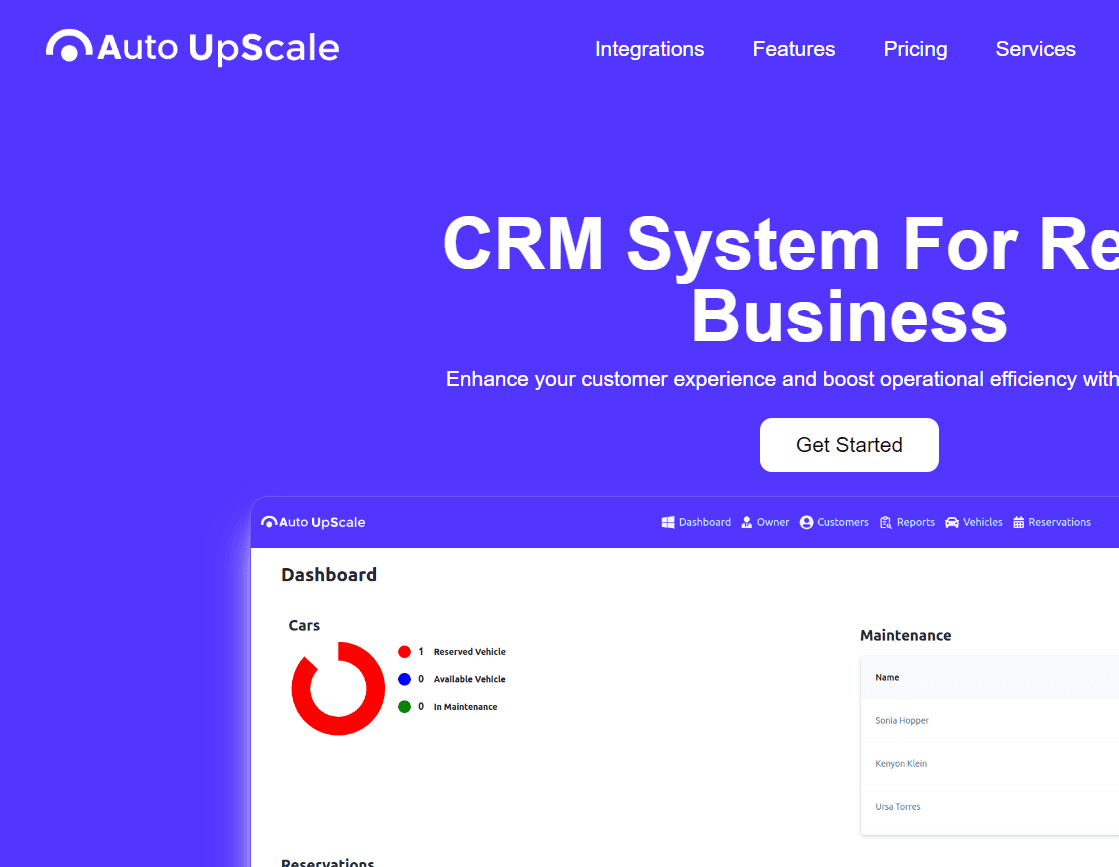
Autoupscale represents a digital improvement initiative centered around three important areas: user experience, website performance, and mobile engagement. The objective was not simply to make the platform look better, but to create a smoother and more effective experience for users interacting with the website across different devices. A major part of the work focused on reducing performance friction and improving the overall speed of the platform, helping users move through the experience more efficiently. At the same time, the project placed strong emphasis on usability so that visitors could interact with the platform more naturally. These improvements contributed to measurable results, including a 40% enhancement in user experience, a 50% improvement in site speed, and a 35% increase in mobile traffic. The project demonstrates how focused improvements to performance and usability can directly support stronger digital engagement.
Project Goals
Improve the overall user experience by making the platform easier to navigate, interact with, and understand. The goal was to create a smoother journey for users while reducing unnecessary friction throughout the interface.
Increase website performance and loading speed so users could access content and interact with important areas of the platform more efficiently. Faster performance was treated as an important part of the overall digital experience.
Strengthen mobile traffic and engagement by improving the experience for users accessing the platform from mobile devices. The objective was to make the experience more accessible and effective across different screen sizes.
Create a stronger balance between visual usability and technical performance so improvements in one area would not negatively affect the other. The overall goal was to produce a more reliable and engaging platform.
Challenges
Improving performance while maintaining a familiar and usable experience required careful attention to how changes could affect existing user interactions. The challenge was to improve speed without sacrificing simplicity or usability.
Creating a smoother experience across devices required consideration of how users interact with the platform in different environments. The platform needed to remain clear, accessible, and practical beyond a single screen size.
Supporting stronger mobile engagement involved identifying areas where the mobile experience could become more efficient and easier to use. The challenge was to make mobile interaction feel intentional rather than simply adapting a desktop experience.
Balancing multiple improvement targets at the same time was another important challenge. User experience, website speed, and mobile engagement all needed to move forward together while maintaining a consistent overall platform experience.
Solutions & Execution
User-experience improvements were introduced to create clearer interactions and a smoother journey throughout the platform. The focus was on making the experience more understandable and efficient for users.
Performance optimization was used to improve the speed and responsiveness of the website. This helped reduce friction and contributed to the reported 50% improvement in site speed.
Mobile experience improvements were introduced to support stronger engagement from mobile users. These changes helped create a more effective experience for visitors accessing the platform on smaller screens.
The overall solution combined usability, performance, and mobile improvements into one focused approach, helping the project achieve measurable gains rather than isolated visual changes.
Conclusion
The Autoupscale project successfully unified usability, performance optimization, and mobile accessibility into a single cohesive strategy. By addressing key technical and design friction points, the platform delivered immediate measurable growth—highlighted by a 50% boost in site speed, a 40% enhancement in overall user experience, and a 35% rise in mobile traffic.